
For Sportsmen, By Sportsmen — honest stories, real reviews, and the pursuit that ties it all together.
Recent Posts
Topics
Slipping Through the Scrub to Read a Buck's Tarsal Glands
A bedded buck offers a rare second chance. He has committed to a lie, tucked his legs beneath him, and the window for a clean approach is narrow. Too many hunters blow that window because they focus only on the antlers and forget the small, dark-stained tufts on the inside of the hind legs. Those tarsal glands, sometimes called ties by old hands, are the clearest field clue to a deer's age, dominance, and rut status.
Reading those glands from a distance is rarely possible at first light. You have to move in a way that keeps the wind honest and the buck relaxed. The same principles of stalking a bedded buck apply whether you are pushing through a Victorian fern gully after sambar or easing along a dry ridge in search of fallow.
For most Aussie deer hunters, the bush behaves differently than the hardwoods of North America. The ground is softer and the visibility tighter. Still, the fundamentals of patient crawling remain identical, and a cool arvo on a south slope can be just as generous as a still morning.
When the light finally catches the inside of his hind legs, the picture changes. A heavy, almost black stain running from the hock to the digits tells you this is a mature buck, not a young pretender. That single read can decide whether you commit to the stalk or wait for another morning.
Why the Tarsal Glands Matter in the Field
A buck uses his tarsal glands to leave scent on overhanging branches and scrapes. The staining is a buildup of urine, glandular secretion, and rubbed debris. A young buck typically shows a small, light patch with crisp hair. A mature, dominant buck shows a dark, matted, almost greasy stain that extends halfway down the leg.
During the rut, the stain darkens sharply as bucks urinate on their tarsals to spread scent. Antler size alone can mislead, so learning to read this from a distance gives a real edge. A tall, wide buck might be a four-year-old in his prime, while a smaller, tight-racked buck with dark tarsals might be a seven-year-old warrior who has simply worn his antlers down over the years.
The trick is getting close enough to read the stain without busting the deer. That usually means a stalk from two hundred metres down to forty, with every step measured and every breath controlled.
Reading the Wind and the Bush Before You Crawl
Before you shift your weight off the log, sit still and study the air. In the high country around Gippsland or the Victorian Alps, thermals start sliding downhill the moment the sun warms the slopes. A bedded buck often chooses a south-facing face for exactly that reason, so plan your approach for the cool side of the rise.
Check the breeze with a small pull of down or a fine dust toss. Watch the swirl of leaves near your knees. If the air is moving even slightly toward the buck, back out and circle. Sambar hunters reckon a quartering breeze is the worst scenario, because the buck's nose sits high on a bedded body and catches anything drifting up the slope.
Once the wind settles, glass the buck again. A relaxed buck has one ear cocked back and the other scanning. A buck that drops his head flat and stares is about to blow, so freeze, do not retreat.
The Crawl, the Pause, the Shift
When the time comes to move, keep the profile low. In thicker Aussie scrub, that often means crawling on elbows and knees through sword grass and fern, punishing on the knees but effective. Move in short bursts of three or four metres, then stop and melt into the ground for a full minute. The goal is to look like a slow shadow rather than a creeping shape.
Use every bit of cover as a staging point. A fallen log or shoulder-high tussock lets you reset your breathing and check the buck. Many hunters swear by the pause and breathe rhythm: a slow breath in through the nose, out through the mouth, then a single careful step.
The terrain does half the work for you. A gentle dip lets you shuffle forward without rising above the buck's sightline. A rocky outcrop provides a perfect last screen before the final stretch. Sambar have a habit of bedding just over a rise, where they can watch a clearing without being skylined themselves.
How Sambar and Fallow Wear Their Tarsals Down Under
Australia's two most-hunted deer behave differently from whitetails when it comes to tarsal staining. Sambar stags develop a notoriously dark stain, especially during the rut, which in Victoria and NSW runs from late June through August. The stain often looks wet or oily, and on a mature stag it can extend right down to the hoof.
Fallow bucks are trickier. Their tarsal stain is lighter and less obvious than a sambar's, and the hair is finer. In the dry sclerophyll forests of the central tablelands, a fallow buck's tarsals can be hard to read without a good angle of sunlight. Hunt them in the early arvo, when the western light rakes across the slope, and the contrast sharpens nicely.
Field Signals Worth a Slow Crawl:
- Dark, matted tarsal stain reaching the hoof, a sign of a mature stag
- Wet or oily appearance during the rut, especially on sambar
- Lighter, cleaner tarsals on young bucks or does
- Stain paired with a swollen neck and a rubbed forehead shrub
Gear That Makes the Crawl Possible:
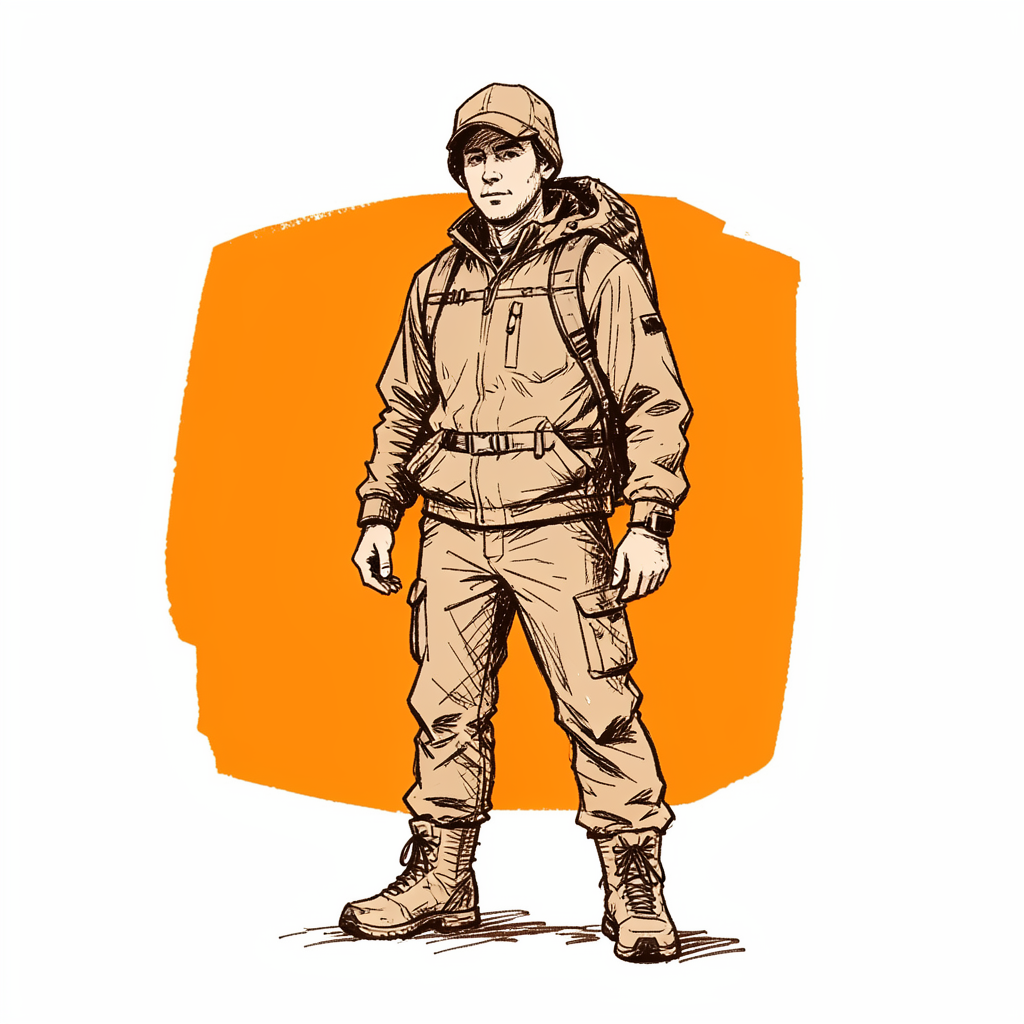
- Lightweight, breathable clothing in muted greens and browns
- Soft-soled boots that grip wet fern and rock without crunching
- A bino or spotter that focuses close enough to read hair colour
- A rangefinder that works reliably through light scrub
Final Yardage and the Quiet Glass
The last twenty metres of a stalk are where most approaches fall apart. The buck is close enough to hear your heartbeat through the leaves, with his nose working overtime. Resist the urge to rush. Set up your shooting sticks, range the buck's vitals through the gap in the scrub, and wait for him to shift his weight.
A buck that lifts his head to lick his shoulder is offering a perfect broadside. One that turns his head to look back over his rump is about to rise and trot. Read the body language, not the antlers, and let the earlier tarsal read confirm the call.
If the wind shifts or the buck tenses, back out slowly. There will be another arvo, another cool morning, another ridge. The bush rewards patience, and the tarsals will tell their story to anyone willing to crawl close enough to read them.
Next time you slip into the scrub, mate, glass the first bedded buck you find and spend a full minute reading the inside of his hind legs before you commit to the crawl. Jot down the stain colour, length, and any wet sheen in a notebook, and after a few sits you will start to see the difference between a young pretender and a stag worth the effort.
Contributors
Chris Campanelli
Writer
Covers deer hunting strategy, the outdoors process, and the mindset behind the pursuit.
Cody Dalton
Angler & Filmmaker
Muskie fishing, bowfishing, and the short documentary "A Fisherman with a Dream."
AO Podcast Crew
Hosts
The voices behind 39 episodes of industry talk, hunting stories, and the "After the Pursuit" series.
AOTV
Video Team
Range reviews, Deer Season episodes, and bowfishing features — presented by Hidden Hybrid Holsters and Stark Arms.

Mass Pursuit TV
Media Partner
Content and media partnership bringing ATA Show coverage and product highlights to the AO audience.
Partner Brands
Sponsors
StandGuard Decoy, Buck Baits, Hunter's Blend Coffee, and more supporting the sportsmen's community.