
For Sportsmen, By Sportsmen — honest stories, real reviews, and the pursuit that ties it all together.
Recent Posts
Topics
Late-Season Waterfowl Snipe Hunting That Works
Late-season snipe hunting rewards preparation more than speed. By this point, birds have experienced heavy pressure, weather has reshaped shallow wetlands, and every mistake carries farther across thin cover. The hunters who consistently find success are the ones who understand where snipe feed, how they react to disturbance, and when to move.
Wilson’s snipe favor soft ground, shallow water, flooded grass, sedge edges, and muddy seeps where long bills can probe for invertebrates. Those areas may look unremarkable from a distance, especially after frost or snow, but small differences in moisture and cover can concentrate birds in surprisingly tight pockets.
A good late-season hunt also requires discipline with identification, shooting, and recovery. Check current regulations, legal shooting hours, season dates, and firearm restrictions before entering the field. Snipe can flush quickly and erratically, so knowing the target beyond doubt is part of the hunt.
Read Late-Season Snipe Habitat
Cold weather changes a marsh quickly. Frozen ground may push birds toward spring-fed edges, open drainage channels, and areas warmed by moving water. A thin layer of ice can also make otherwise productive mud inaccessible, forcing snipe into soft margins where they can still probe.
Look for transitions rather than broad expanses of habitat. The best locations often occur where short grass meets cattails, a shallow creek crosses a pasture, or a flooded field drains into a brushy ditch. Tracks, probing holes, droppings, and fresh disturbances in soft mud are useful signs when birds are difficult to spot.
Scout from a distance before walking through promising cover. Deliberate observation helps reveal feeding pockets and escape routes, much like the careful glassing principles used when searching expansive country for distant animals. Give a wetland several quiet minutes before deciding it is empty.
Plan Around Pressure And Wind
Late-season snipe often flush wild after repeated hunting pressure. Instead of walking directly through the center of a marsh, approach from the downwind side and work the edges first. This keeps scent and movement from spreading across the entire area before you reach the best cover.
Wind is a useful tool. A steady breeze can carry sound away from approaching hunters and make birds less likely to detect every footstep. If possible, use a crosswind or quartering wind that lets you move naturally while keeping flushed birds within a manageable shooting lane.
Small groups usually hunt more effectively than large ones. Two hunters can cover a narrow drainage or wet pasture without overwhelming it. Communicate positions before moving, maintain safe spacing, and establish clear rules for crossing lanes and swinging on birds.
Match Gear To Wet Ground
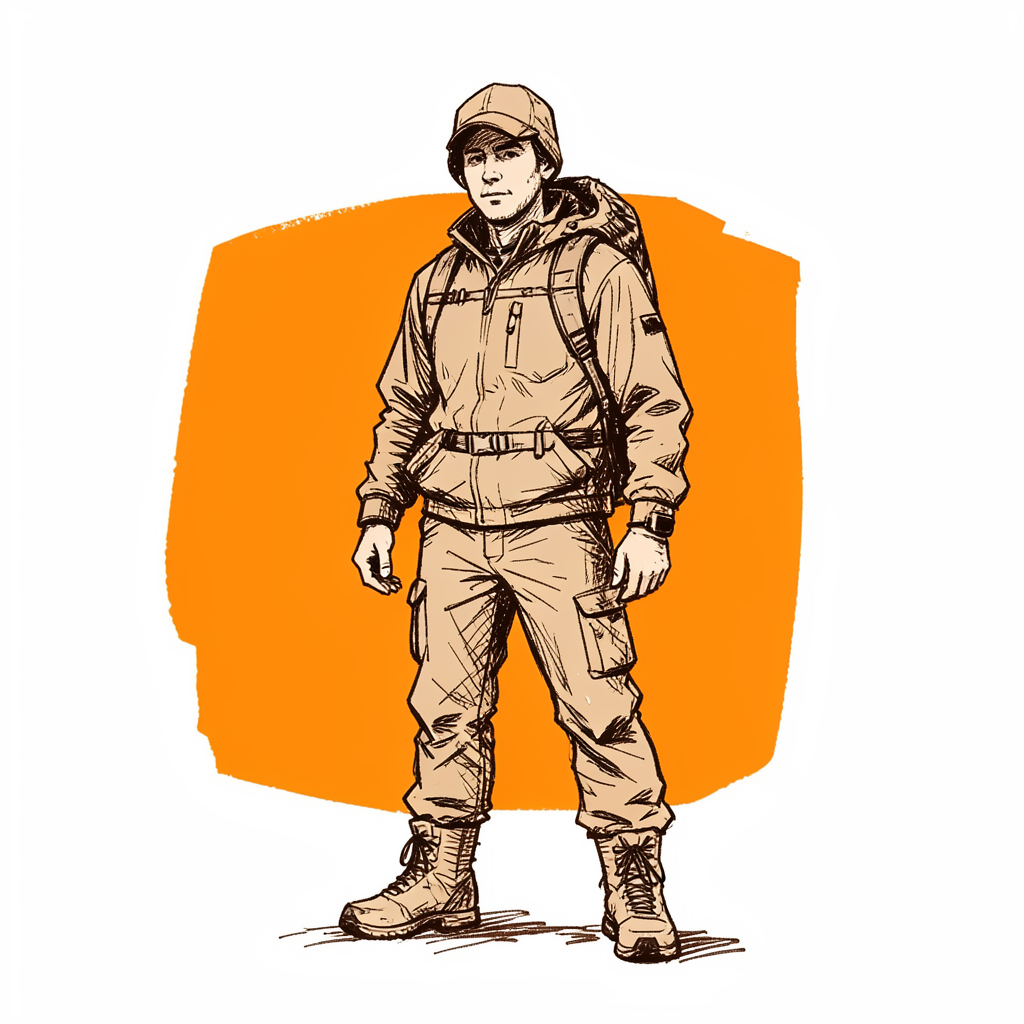
Footwear is often more important than camouflage. Waterproof upland boots may work in firm pasture, while hip boots or waders are safer around deep channels and saturated marsh. Choose protection that allows quiet movement without trapping so much bulk that every step becomes awkward.
A lightweight shotgun with a quick, natural swing is a practical choice. Twelve, 16, and 20 gauges can all be effective when paired with an appropriate load and legal shot size. The best setup is one that mounts smoothly, carries comfortably, and allows the hunter to keep both eyes focused on the bird.
Use layers that breathe during the walk and add insulation during pauses. Late-season hunts often begin cold, become strenuous during a long push, and end with another period of inactivity while birds are recovered. A compact shell pouch, waterproof gloves, eye protection, and a game vest with secure storage round out the essentials.
| Hunting Factor | Practical Choice | Why It Matters |
|---|---|---|
| Wet ground | Waterproof boots or waders | Keeps feet warm and reduces fatigue |
| Shotgun | Light, quick-handling field gun | Helps with sudden, crossing flushes |
| Clothing | Quiet, breathable layers | Supports movement without overheating |
| Ammunition | Legal upland load matched to the gun | Provides dependable performance |
| Recovery gear | Game bag and marking tool | Prevents lost birds in confusing cover |
Make Every Flush Count
Snipe rarely offer a long, deliberate look. They may rise with a sharp zigzag flight, accelerate away, and disappear against grass or gray sky. The first shot is usually the best opportunity, so mount the gun smoothly and keep the muzzle moving through the bird rather than stopping to aim too carefully.
Avoid chasing the bird with a frantic swing. Focus on the head and front edge of the target, establish the lead required by its angle, and press the trigger as the gun passes through. If the bird continues, make a controlled second attempt rather than firing repeatedly at an increasingly distant target.
Most missed shots come from lifting the head, stopping the swing, or reacting late to the flush. Practice mounting the unloaded shotgun at home, using a safe wall reference and a consistent foot position. A few minutes of deliberate movement can make the field shot feel far less rushed.
Walk A Smart Pattern
The most productive walking pattern depends on the cover. In a narrow creek bottom, hunters can move along opposite edges and push birds toward open ground. In a broad marsh, a zigzag pattern keeps the group moving through likely feeding areas without leaving large gaps.
Pause at irregular intervals. Snipe sometimes hold tight until nearby movement forces them up, while others flush several yards ahead. Stopping also gives the hunter a chance to listen for wingbeats, watch disturbed vegetation, and reset before entering the next pocket.
Mark the location of every downed bird immediately. Dense sedges and shallow water can make a short retrieve surprisingly difficult, especially when several birds flush in sequence. A dog with steady quartering habits can transform the hunt, but hunters without one should move directly to the fall and use landmarks before continuing.
Adjust When Birds Stop Cooperating
If the first area produces no birds, do not simply walk faster or cover it repeatedly. Reassess moisture, wind, cover height, and recent disturbance. A frozen flat may be empty while a nearby seep remains active, or birds may have shifted from open mud to the protected side of a grass bank.
When birds flush far ahead, slow the pace and tighten the spacing. If they rise close but offer poor angles, change the approach direction or allow another hunter to work the opposite edge. The goal is to create predictable opportunities without forcing every bird into a long shot.
A successful late-season waterfowl snipe hunt is measured by sound decisions as much as by the number of birds in the bag. Respect property boundaries, leave gates as found, avoid damaging fragile wetland vegetation, and stop when conditions make safe recovery unlikely.
Field Checks Before The First Step
Use this compact checklist before entering the marsh:
- Confirm season dates, daily limits, shooting hours, and approved shot requirements.
- Inspect the area for ice, deep channels, unstable banks, and safe shooting lanes.
- Carry enough clothing, shells, water, navigation gear, and recovery equipment.
- Agree on hunter positions, walking direction, and safe zones before the push.
- Mark each bird immediately and retrieve it before moving deeper into cover.
The strongest hunts combine habitat knowledge with restraint. Arrive quietly, let the ground tell you where birds are feeding, and make each movement serve a purpose. Apply that approach on your next cold-weather marsh outing, and give yourself the best chance to finish the season with clean shooting, recovered birds, and a safe walk home.
Contributors
Chris Campanelli
Writer
Covers deer hunting strategy, the outdoors process, and the mindset behind the pursuit.
Cody Dalton
Angler & Filmmaker
Muskie fishing, bowfishing, and the short documentary "A Fisherman with a Dream."
AO Podcast Crew
Hosts
The voices behind 39 episodes of industry talk, hunting stories, and the "After the Pursuit" series.
AOTV
Video Team
Range reviews, Deer Season episodes, and bowfishing features — presented by Hidden Hybrid Holsters and Stark Arms.

Mass Pursuit TV
Media Partner
Content and media partnership bringing ATA Show coverage and product highlights to the AO audience.
Partner Brands
Sponsors
StandGuard Decoy, Buck Baits, Hunter's Blend Coffee, and more supporting the sportsmen's community.