For Sportsmen, By Sportsmen — honest stories, real reviews, and the pursuit that ties it all together.
Recent Posts
Topics
The Best Types of Camo for Early Season Bowhunting
Early season bowhunting presents a different concealment problem than the November rut. Vegetation is often thick and vibrant, temperatures can climb quickly, and whitetails may still follow predictable summer feeding patterns. The right camouflage must blend with green foliage while helping you stay cool, quiet, and mobile.
At bow range, pattern choice matters, but it is only one part of effective concealment. Deer are highly sensitive to sudden movement, hard edges, unnatural posture, and exposed skin. A well-selected hunting outfit should work with careful stand placement and controlled movement rather than attempt to replace them.
Early season conditions also change rapidly. A hot afternoon sit may require lightweight mesh, while a cool morning hunt can call for a thin base layer. Choosing adaptable camo gives you a better chance of staying comfortable and hidden through the entire hunt.
Read The Early Season Cover
Summer foliage usually has a strong green presence, but the exact color varies by habitat. Agricultural edges may be filled with bright grasses and broad leaves, while cedar thickets, oak ridges, and creek bottoms often contain deeper greens and layered shadows. Study the trees and brush around your intended stand before buying a pattern.
Look for the background behind your expected shooting lanes. A camouflage pattern that blends into dense leaves may look unnatural against an open field edge. Conversely, a dark woodland print can create a noticeable silhouette in bright, leafy cover. The best match is usually the one that breaks up your outline at the distance where deer are most likely to appear.
Pattern Styles That Work Best
A realistic leafy or 3D camouflage pattern is useful when you will hunt inside dense cover. Added texture helps disrupt the human outline, especially when the garment includes irregular shapes that mimic leaves, stems, and branches. These patterns are especially effective in ground blinds, brushy funnels, and tree stands surrounded by green vegetation.
Micro-pattern camouflage offers a more versatile alternative. Small, irregular shapes blend together at normal viewing distances without creating an oversized visual design. This style works well for hunters who move between hardwoods, field edges, and creek bottoms during the same season.
Solid earth tones should not be overlooked. Olive, muted gray, brown, and subdued tan can disappear effectively in shadowed cover when paired with a broken outline. A solid shirt under a leafy vest or lightweight overshirt can also provide flexibility without adding much heat.
Fabrics For Warm Weather Hunts
Breathable polyester, lightweight nylon, and technical mesh are strong choices for early season bowhunting. These materials move moisture away from the skin and dry quickly after a sweaty hike. Ventilation panels under the arms or along the sides can make a meaningful difference during long evening sits.
Fabric noise deserves equal attention. Some lightweight materials sound crisp when brushed against branches, which can expose movement before a deer enters range. Test garments by drawing your bow, reaching for your release, and turning in a treestand. If the fabric produces a sharp or repetitive sound, it may be a poor choice for close-range hunting.
Odor control can also help during hot weather, when perspiration becomes unavoidable. Wash clothing with unscented detergent, let it dry thoroughly, and store it away from household odors. Browse practical hunting resources for additional field strategies that support concealment beyond clothing.
Comparing Camo Options
No single camouflage style dominates every early season setting. A hunter sitting in a leafy tree canopy needs a different visual solution from someone tucked against a brushy field edge. The following comparison can help narrow the choice.
| Camo Type | Best Setting | Main Strength | Potential Drawback |
|---|---|---|---|
| 3D leafy | Dense brush and timber | Breaks up the body outline | Can be warm or bulky |
| Micro-pattern | Mixed habitat | Versatile at bowhunting distances | Less effective if the silhouette stays exposed |
| Solid earth tone | Dark cover and shadows | Lightweight and easy to layer | Requires good positioning |
| Lightweight mesh | Hot, humid conditions | Excellent airflow | May provide limited structure |
| Terrain-specific print | Consistent local habitat | Strong visual blending | Less adaptable between locations |
Pattern selection should support your stand location, not determine it. Even premium camouflage looks poor when a hunter sits against an empty sky, moves across an open backdrop, or faces the wrong direction. Position yourself where branches, trunks, and natural shadows help complete the concealment.
Layering For Comfort And Movement
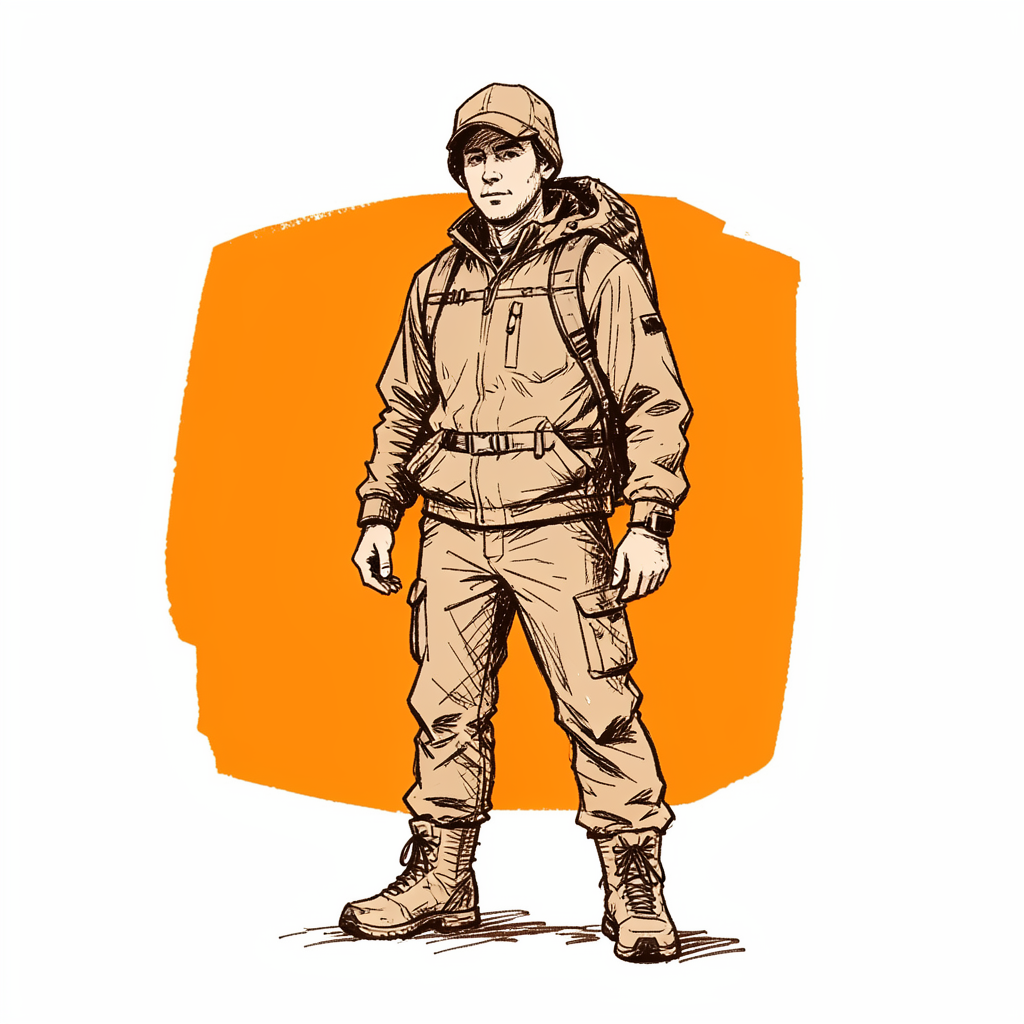
An effective early season system often begins with a moisture-wicking base layer, followed by a quiet camouflage shirt and lightweight outer layer. This arrangement lets you remove insulation during the warmest part of the day while retaining a consistent visual pattern.
Consider gloves, a neck gaiter, and a face covering when exposed skin may be visible to deer. Hands and faces are particularly noticeable because they move frequently and contrast with shaded surroundings. Choose breathable materials that do not make it difficult to anchor, draw, or handle your release.
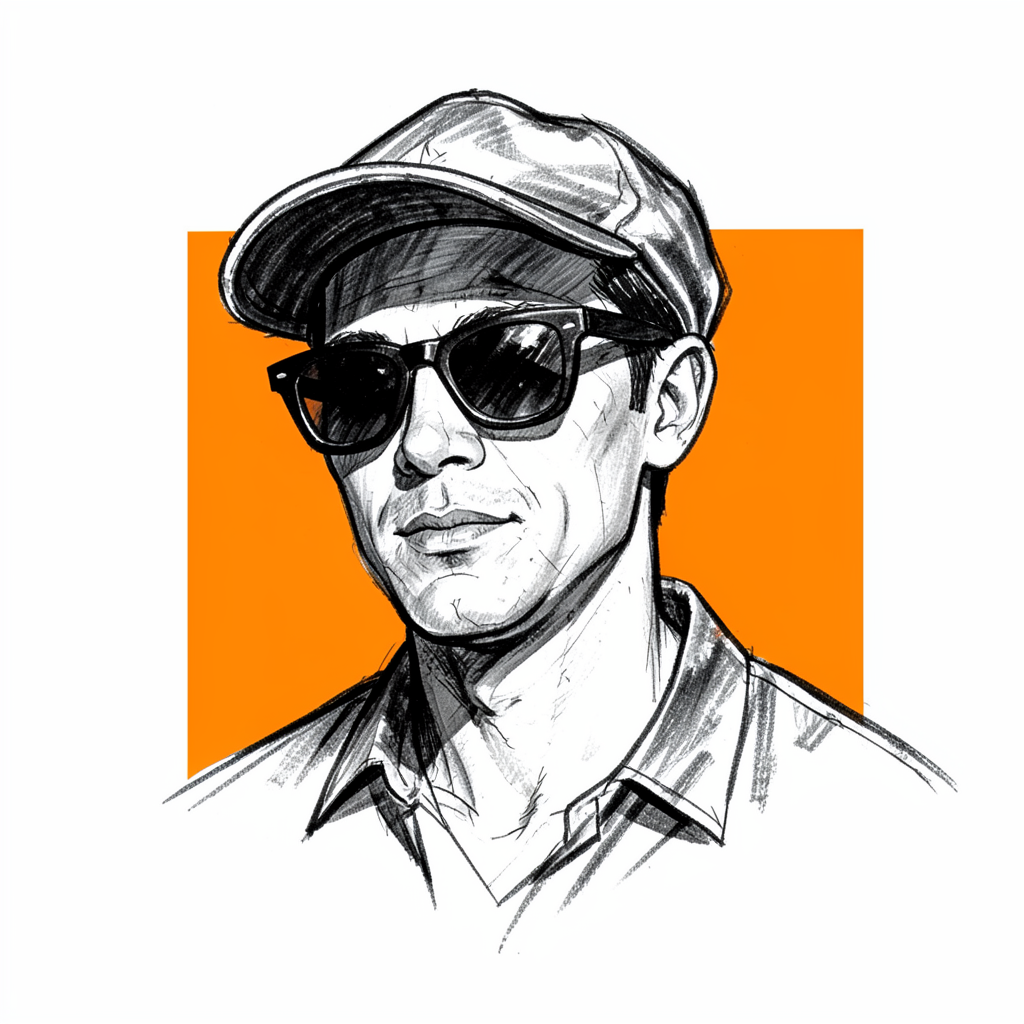
Headwear should also match the environment. A brimmed cap can break up the shape of the face and shield the eyes from glare, while a lightweight boonie hat adds coverage in open timber. Keep every accessory quiet and avoid stiff closures that click against a bow or treestand.
A Practical Early Season Setup
Before opening day, assemble clothing around the habitat and weather rather than buying a complete matching set. A flexible system allows you to hunt through warm mornings, humid evenings, and the first cooler fronts without sacrificing movement or concealment.
- Choose a breathable base layer that dries quickly after the walk in.
- Pair a muted micro-pattern shirt with a leafy outer layer for dense cover.
- Use lightweight gloves and a face covering to hide high-contrast skin.
- Test every garment while drawing, turning, climbing, and reaching for equipment.
Pay attention to how the entire outfit looks from a deer’s perspective. Sit in the stand, move slowly through the shooting sequence, and have a partner observe you from likely approach routes. This simple test can reveal bright logos, exposed elbows, loose fabric, and other details that are difficult to notice in a mirror.
Test Camo Before The Hunt
Field-testing should include more than checking fit indoors. Walk through the same type of cover where you plan to hunt and listen for fabric noise as branches contact your sleeves and legs. Early season routes often involve thick vegetation, so quiet movement can be as valuable as a well-matched pattern.
Take photographs from several angles and distances in both sun and shade. Images can reveal whether the pattern blends into the background or creates a dark human-shaped mass. Make adjustments to the outer layer, face covering, or stand position before the season begins.
The same attention to detail benefits other outdoor pursuits, from scouting habitat to spending time on the water. Practical fishing coverage can also provide useful perspective on warm-weather clothing, moisture management, and staying comfortable during long outdoor sessions.
Choose camouflage that matches your local cover, keeps you cool, and remains quiet during the shot sequence. Then combine it with disciplined stand placement, slow movement, and thoughtful wind management. Put the complete system through a realistic field test before opening morning and make the adjustments that will keep your bowhunting setup ready for close-range opportunities.
Contributors
Chris Campanelli
Writer
Covers deer hunting strategy, the outdoors process, and the mindset behind the pursuit.
Cody Dalton
Angler & Filmmaker
Muskie fishing, bowfishing, and the short documentary "A Fisherman with a Dream."
AO Podcast Crew
Hosts
The voices behind 39 episodes of industry talk, hunting stories, and the "After the Pursuit" series.
AOTV
Video Team
Range reviews, Deer Season episodes, and bowfishing features — presented by Hidden Hybrid Holsters and Stark Arms.
Mass Pursuit TV
Media Partner
Content and media partnership bringing ATA Show coverage and product highlights to the AO audience.
Partner Brands
Sponsors
StandGuard Decoy, Buck Baits, Hunter's Blend Coffee, and more supporting the sportsmen's community.