
For Sportsmen, By Sportsmen — honest stories, real reviews, and the pursuit that ties it all together.
Recent Posts
Topics
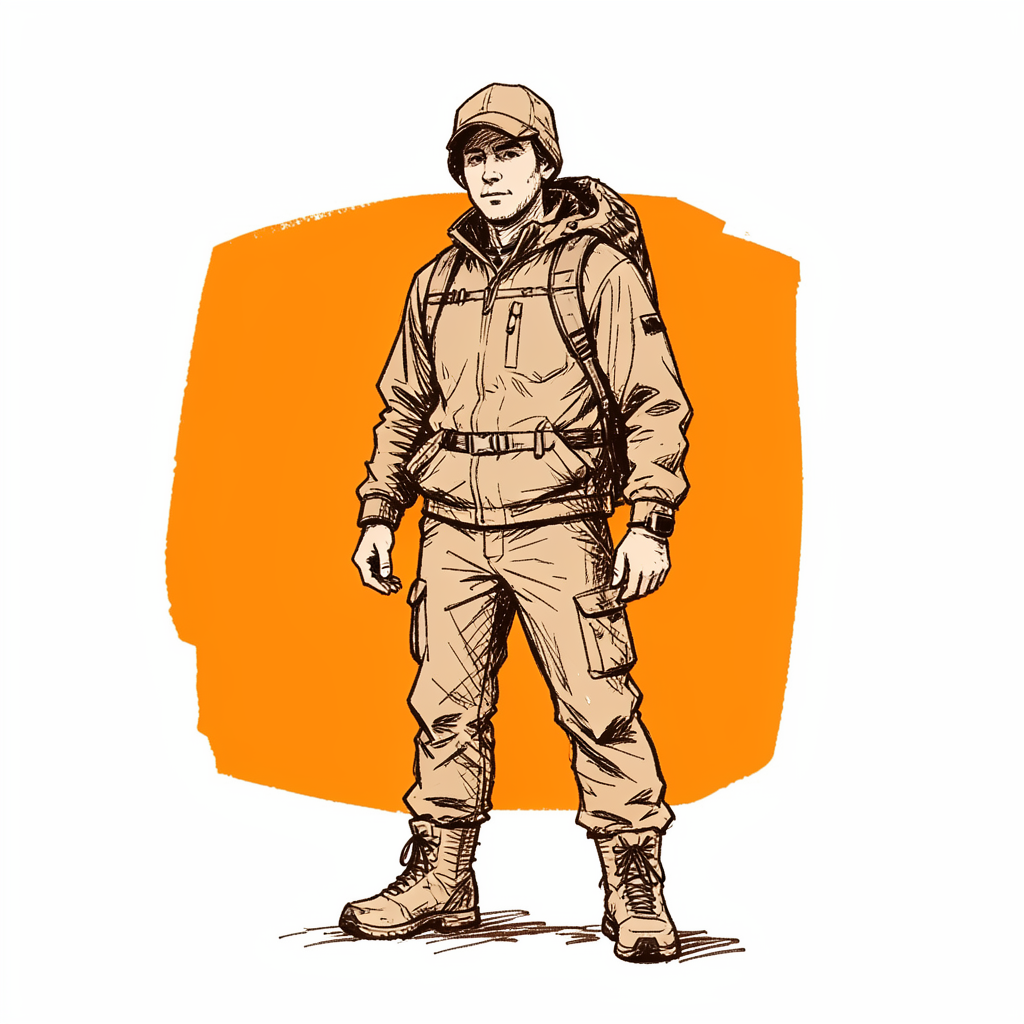
Packing A Balanced Survival Kit For A Day Hike Targeting Small Game
A day in the bush after rabbits or other legally huntable small game can turn serious quickly. A clear morning may become a hot walk through dry grass, a cold southerly, or a long search for a vehicle track after a wrong turn. The best survival kit supports the hunt without becoming so bulky that it stays in the ute.
Balance matters more than gadget count. Water, navigation, first aid, weather protection, communication, and a few repair tools deserve priority over novelty equipment. Every item should earn its place by solving a realistic problem in the country you are entering.
Australian conditions make preparation especially important. In a Victorian pine forest, a New South Wales state forest, or Queensland scrub, mobile reception can disappear within minutes. Heat, dehydration, snakes, ticks, sharp spinifex, and sudden storms can all turn a short outing into an uncomfortable night outdoors.
Your kit also needs to fit the way you hunt. A person carrying a rimfire, binoculars, ammunition, and a daypack has different needs from a bowhunter moving quietly through thick cover. Keep the load compact, accessible, and compatible with safe firearm handling and local regulations.
Start With The Country And The Weather
Check the forecast, fire danger rating, access restrictions, and land status before leaving home. Hunting rules vary between states and territories, and some public land allows particular activities only during specified seasons or under permit. Native wildlife is protected in many areas, so identify your quarry properly before taking a shot.
A printed map or downloaded offline map should back up your phone. Mark the vehicle, water points, property boundaries, and a simple return route. A small compass is useful when tree cover, gullies, or fading light make the screen difficult to read.
Tell someone where you are going, when you expect to return, and what vehicle you are driving. In remote areas, a personal locator beacon or satellite messenger is a stronger safety measure than relying on a phone. “No worries” is not a communications plan when you are beyond a Telstra tower.
Make Water And Shelter Non-Negotiable
Carry more water than the walk seems to require. A practical starting point is two to three litres for a warm day, with extra capacity for unexpected delays. A soft flask or collapsible bladder saves space, while electrolyte tablets can help after heavy sweating.
Water treatment tablets, a compact filter, or a metal bottle for boiling provide options if a creek is available. Never assume clear water is safe to drink. Farm runoff, dead animals, and seasonal contamination can make an attractive waterhole a poor emergency source.
A lightweight rain shell, emergency bivvy, and sturdy rubbish bag cover several problems without much weight. The bivvy can retain body heat, the bag can keep gear dry, and the shell protects against wind and rain. In exposed country, a small foam sit pad also provides insulation from cold ground during a wait.
Cover First Aid, Fire, And Repairs
A compact first-aid pouch should handle the injuries most likely on a bush walk: bleeding, blisters, sprains, bites, and cuts from wire or branches. Include pressure dressings, adhesive tape, antiseptic wipes, gauze, blister treatment, pain relief, and any personal medication. Add tweezers for ticks and splinters.
A lighter sealed in a waterproof bag and a second fire starter provide useful redundancy. Fire may be restricted during total fire bans, so treat this item as an emergency tool rather than entertainment. Learn the rules for the area and never light one when conditions prohibit it.
A small knife, multitool, cord, cable ties, needle, strong tape, and a spare torch battery can repair a pack, boot, sling, or water container. A headlamp is more useful than a handheld light when both hands are occupied. Review practical field gear guides before buying specialist equipment, then test every item at home.
Protect Yourself From Heat, Cold, And Wildlife
Sun protection belongs in the survival kit even under cloud. Pack a broad-brim hat, sunscreen, sunglasses, lightweight long sleeves, and lip balm. On a February rabbit hunt near Dubbo or Mildura, heat management may matter more than carrying another piece of hunting equipment.
Long trousers and gaiters reduce contact with grass seeds, burrs, ticks, and snakes. Keep boots closed and avoid placing hands into hollow logs or rock gaps. A compression bandage is useful for general injuries, but snakebite first aid requires pressure immobilisation, keeping the victim still, and urgent emergency communication. Do not cut, wash, or suck the bite.
Food should be compact, durable, and easy to eat without stopping for a full meal. Muesli bars, salted nuts, jerky, sandwiches, and lollies provide a mix of energy and salt. A small rubbish bag keeps wrappers and used tape out of the bush and prevents odours from building in the pack.
Keep The Load Practical And Legal
Organise the kit so emergency equipment is reachable without unpacking ammunition or firearms. Water should sit where it can be accessed regularly, while the first-aid pouch, navigation tools, and torch belong in outer pockets. Carry ammunition securely and follow state requirements for transport, storage, and use.
A kit should support a safe return, not encourage a longer hunt than conditions allow. If the weather turns, water drops faster than expected, or an animal is wounded and tracking becomes difficult, stop and reassess. Ethical small-game hunting includes knowing when to end the outing.
Essentials Worth Carrying
- Two to three litres of water, plus a treatment method
- Offline map, compass, charged phone, and emergency beacon where reception is uncertain
- First-aid pouch with pressure dressing, blister care, tick tweezers, and personal medication
- Rain shell, emergency bivvy, headlamp, and spare batteries
- Knife or multitool, lighter, tape, cord, food, sunscreen, and a waste bag
Pack the kit once, weigh it, and walk with it before opening day. Remove duplicated gadgets, replace anything you cannot operate quickly, and check batteries before every trip. A small, familiar load is easier to carry through scrub and more likely to be with you when conditions change.
A balanced day-hike kit is ultimately a set of sensible margins: enough water to wait, enough shelter to stay warm, enough medical gear to control an injury, and enough communication equipment to summon help. Carry those basics, respect Australian land and wildlife laws, and make the practical decision to turn back while the way out is still clear.
Contributors

Chris Campanelli
Writer
Covers deer hunting strategy, the outdoors process, and the mindset behind the pursuit.

Cody Dalton
Angler & Filmmaker
Muskie fishing, bowfishing, and the short documentary "A Fisherman with a Dream."

AO Podcast Crew
Hosts
The voices behind 39 episodes of industry talk, hunting stories, and the "After the Pursuit" series.

AOTV
Video Team
Range reviews, Deer Season episodes, and bowfishing features — presented by Hidden Hybrid Holsters and Stark Arms.

Mass Pursuit TV
Media Partner
Content and media partnership bringing ATA Show coverage and product highlights to the AO audience.
Partner Brands
Sponsors
StandGuard Decoy, Buck Baits, Hunter's Blend Coffee, and more supporting the sportsmen's community.