
For Sportsmen, By Sportsmen — honest stories, real reviews, and the pursuit that ties it all together.
Recent Posts
Topics
Your First Hunt at a Preserve: What to Know Before You Go
Hunting preserves offer a controlled alternative to long, unpredictable trips into remote country, and they've become a growing part of how Aussies enjoy the sport. Whether you're new to firearms or an experienced shooter chasing a particular species, these properties give you defined boundaries, managed game, and infrastructure that bush hunting simply can't match.
For hunters across Victoria, NSW, and Tasmania, preserves fill a real gap. Tightening access on public land, the cost of fuel, and the hours of driving to reach decent country mean many recreational shooters now prefer a guaranteed day out close to home. Properties in the Hunter Valley, the alpine foothills, and the high country near Mansfield all run seasonal programs that suit weekend trips from Melbourne or Sydney.
If you're weighing up your first preserve hunt, the experience is quite different from a typical outing with mates. Here's what to expect on arrival, how to get yourself prepared, and the unwritten rules that separate first-timers from the regulars.
How Australian Preserves Actually Operate
Most preserves in Australia run on a day-rate or annual membership model, with some offering accommodation packages that include a night in shearers quarters or a self-contained cabin. Game species depend on the region, and you'll commonly find fallow deer in NSW, sambar in the Victorian high country, red stags on larger properties, and wild boar almost everywhere there's decent cover. Some places focus on driven game bird shoots, releasing pheasants and partridges for a fast-paced morning.
Pricing varies widely. A basic day might start around $200 and run into the high hundreds or more once you add guides, trophy fees, and processing. GST applies to most charges, so keep that in mind when comparing rates. Always ask whether the licence or permit you need is included or something you organise yourself through your state's game authority.
Method of take also differs between properties. Some are rifle only, some allow bowhunters, and a few run shotgun or muzzleloader days by request. Match the property to your discipline rather than the other way around, especially if you've invested in a specific calibre or bow setup.
Booking Your Day on the Ground
Booking ahead isn't optional at busy properties, particularly during autumn when sambar and fallow activity peaks and shooters from all over book in. The best weekends disappear months in advance, and many operations shut down over summer due to fire risk in southeast Australia.
When you call, ask a few pointed questions. What time do you need to arrive, can you bring your own dog, is there cart access for an older shooter in the group, and what happens if weather cancels the day. A clear cancellation policy protects everyone, and most places will reschedule without fuss if rain or wind makes the conditions unsafe.
A good Australian habit is to lock everything in writing. Send a quick email confirming the booking, costs, and any extras like meat processing or taxidermy. Having that record to refer back to at the gate saves arguments and keeps the day running smoothly.
Gear, Clothing, and What to Pack
Your kit list looks similar to a backcountry hunt, but the priorities shift. Bring enough ammunition for a full morning and afternoon, plus a few spare rounds because follow-up shots happen more often than you'd think on managed property. A quality optic matters more here than anywhere else because shot selection is generally tighter and many programs involve selective culling rather than free-range stalking.
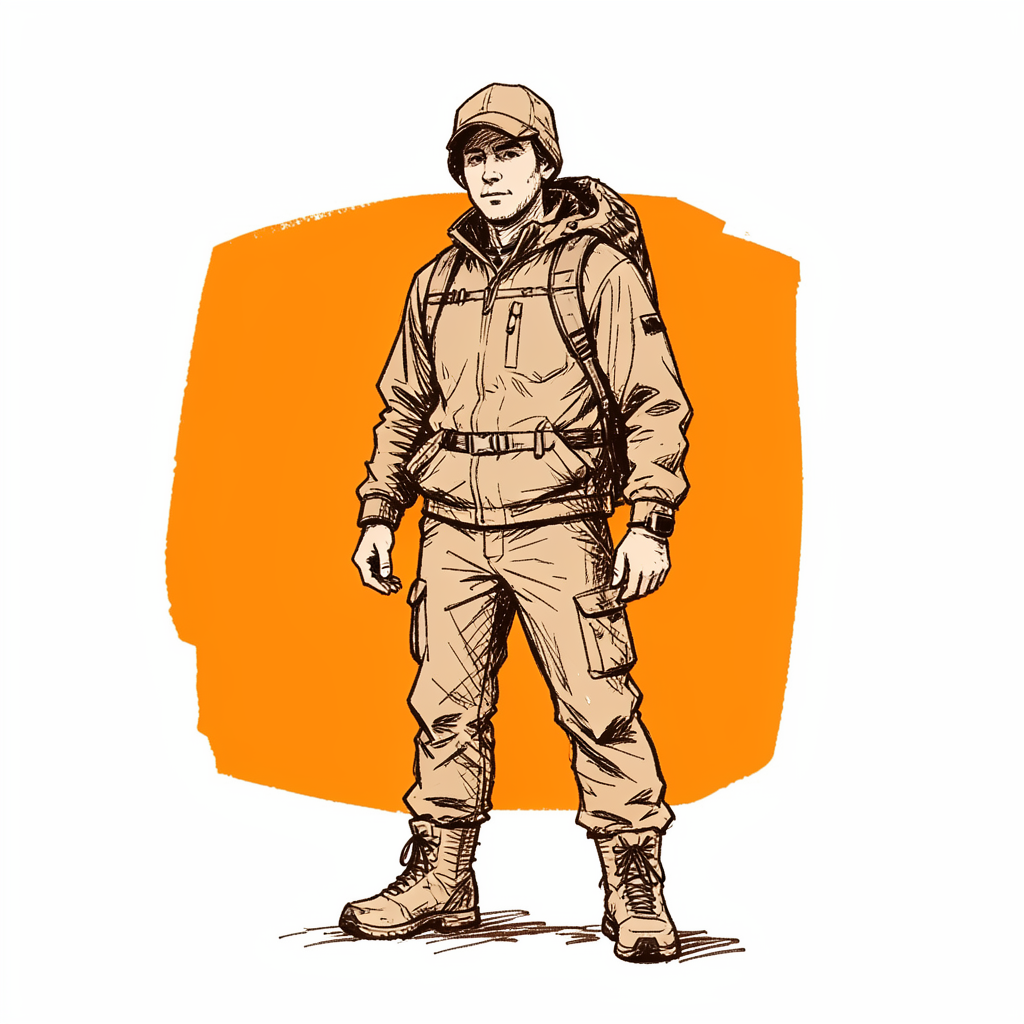
Dress in layers. Mornings in southern states can still bite in spring, and conditions under tall timber stay cold well past brekkie. Waterproof boots, a warm beanie, and a packable rain jacket handle most weather swings between dawn and the arvo session in the paddock.
Food is where lots of first-timers drop the ball. Most properties offer a camp oven lunch or a sausage sizzle, but seasoned hunters know the value of a solid tucker bag packed the night before. A few high-energy campfire meals prepared at home will outshine anything from a servo pie warmer and keep you going through the last drive of the day.
If you're flying in, sort your firearm transport early. Domestic airlines have strict rules about hard cases, separate ammunition storage, and declaration forms, and showing up unprepared at the check-in counter can ruin the whole trip.
Etiquette and Safety on the Property
Preserve etiquette comes down to safety, respect for the landholder, and keeping your reputation intact. Always meet with the manager or head guide before heading out, follow their directions on parking and vehicle staging, and stay on the tracks they've identified. Stepping off marked ground can put you on a neighbour's property without anyone realising until it becomes a problem.
Most properties enforce a strict no-alcohol policy until after the final shot, and many restrict smoking to designated areas. These rules aren't optional. Landholders have lost their operating permits over single incidents, and your behaviour reflects on every other hunter they let through the gate.
When game is taken, follow the property's process for tagging, recovery, and field dressing. Some places handle everything; others expect you to participate with guidance from the guide. Either way, a tip or a thank-you at the end of the day goes a long way, whether it's a slab of beer, a handshake, or a mention in the property's visitor book.
Conservation, Management, and the Bigger Picture
Reputable preserves play a legitimate role in Australian feral animal management. Active culling of pigs, deer, foxes, and feral cats reduces the pressure these species put on native habitat, waterholes, and ground-nesting birds. Many operations also maintain wetlands, plant cover crops, and contribute harvest data to groups like the Australian Deer Association or local councils running control programs.
Not every property operates to the same standard, though. Genuine operators are transparent about their game numbers, breeding programs, and management goals. They answer questions openly, run selective rather than maximum harvest policies, and treat their land as a long-term asset rather than a quick cash cow.
If you want to build your knowledge before booking, spend some time reading field-tested guides and gear reviews from contributors who've spent decades on Aussie properties. Pair that reading with a basic log of every harvest you make, and you'll quickly develop the judgement that separates lucky days from genuinely well-run ones.
Things Worth Locking In Before You Confirm
These points save headaches once you're on the ground:
- Confirm available species, method of take, and any firearm calibre or magazine restrictions specific to the property.
- Clarify the full pricing structure, including GST, licence requirements, processing fees, and what happens to meat you choose not to take home.
- Check the local weather forecast and pack for cold, wet, and bright sun, since southeast Australian conditions can swing three or four times in a single morning.
- Review transport logistics, whether that means airline firearm documentation or where to park the ute at the gate.
A preserve hunt rewards preparation more than almost any other format of the sport. The hunters who get the most from their day arrive calm, briefed, and willing to listen rather than talk, and those habits translate directly into better shot selection, respectful behaviour, and a property manager keen to welcome you back. Book carefully, pack sensibly, and treat the landholder's patch like it's your own, because in a quiet corner of the bush, that standard is exactly what gets you through the gate next time.
Contributors
Chris Campanelli
Writer
Covers deer hunting strategy, the outdoors process, and the mindset behind the pursuit.
Cody Dalton
Angler & Filmmaker
Muskie fishing, bowfishing, and the short documentary "A Fisherman with a Dream."
AO Podcast Crew
Hosts
The voices behind 39 episodes of industry talk, hunting stories, and the "After the Pursuit" series.
AOTV
Video Team
Range reviews, Deer Season episodes, and bowfishing features — presented by Hidden Hybrid Holsters and Stark Arms.

Mass Pursuit TV
Media Partner
Content and media partnership bringing ATA Show coverage and product highlights to the AO audience.
Partner Brands
Sponsors
StandGuard Decoy, Buck Baits, Hunter's Blend Coffee, and more supporting the sportsmen's community.