
For Sportsmen, By Sportsmen — honest stories, real reviews, and the pursuit that ties it all together.
Recent Posts
Topics
Building a custom first aid kit for backcountry bowhunting
Bowhunters heading into Australia's remote ranges and dense scrub know that help is rarely close. A mate with a sliced hand on a ridge west of Cairns, or a hunter with a twisted knee in the Victorian high country, can wait twelve hours or more for retrieval. A purpose-built first aid kit is not a comfort item — it is the bridge between an accident and a hospital.
Generic kits sold at suburban chemists assume you'll be near a clinic within the hour. They rarely account for the realities of Australian bush travel: long drives on corrugated gravel, hours without mobile reception across the Kimberley, and weather that swings from 38°C heat to freezing alpine rain. Building your own kit lets you pack for the country, the season and the species.
This article walks through the components that matter, from trauma dressings and snake bandages to blister care and satellite communicators, with a focus on what Australian bowhunters actually need when they leave the vehicle behind.
Core trauma supplies for arrow wounds and field injuries
The starting point is trauma control. A broadhead passing through a thigh or a hand cut on a climbing stand demands different priorities than a scraped shin. Below is a baseline comparison of what belongs in a serious backcountry hunting kit.
| Category | Minimum to carry | Preferred addition | Why it matters |
|---|---|---|---|
| Haemorrhage control | 4× gauze pads, 2× roller bandages | Haemostatic gauze, Israeli bandage | Stops bleeding before shock sets in |
| Wound closure | Adhesive strips, medical tape | Skin stapler or zip-closure strips | Closes deep lacerations in the field |
| Immobilisation | Triangular bandage | SAM splint | Stabilises fractures for the walk out |
| Airway/breathing | CPR face shield | Chest seal | Penetrating chest injuries need one-way valves |
| Blister/foot care | Moleskin, alcohol wipes | Hydrocolloid dressings | Foot failure ends the trip |
Pack what you'll actually use under stress. Tourniquets belong in the kit only if you've practised applying them — an unfamiliar piece of gear is worse than nothing in a crisis.
Australian-specific medical risks to plan for
The Australian bush carries hazards that don't appear on overseas packing lists. Brown snake, tiger snake and taipan bites are a real possibility across most of the eastern seaboard and into the Top End. A pressure-immobilisation bandage is non-negotiable, and the Australian Resuscitation Council recommends practising the technique before you need it. Tick paralysis is another concern for hunters working scrub in spring, and a quality tick-removal tool costs almost nothing.
Heat is the silent threat on a December hunt in the Pilbara or the MacDonnell Ranges. Heat stroke kills more Australian bush travellers than any venomous creature. Oral rehydration salts, an electrolyte mix and a shaded shelter sheet should sit alongside your trauma gear. Sun exposure is relentless too — pack broad-spectrum sunscreen and after-sun lotion, even in winter.
Medications, tools and diagnostics
Personal medications come first: any prescription drugs you take regularly, plus a backup supply. After that, broad-spectrum items earn their place. Antihistamines for unexpected reactions, ibuprofen and paracetamol for pain, loperamide for gastric upsets, and a course of antibiotics suitable for wound infections. A digital thermometer and a small penlight help you assess a patient when daylight fades.
A pair of trauma shears, fine tweezers and a quality scalpel handle with a couple of blades handle most field tasks. Tick forceps deserve their own pouch given how common paralysis ticks are along the east coast. For bowhunters who also chase fish, the practical approach you'd take to DIY: How to Build a Simple Fishing Rod Rack for Your Truck carries over when you need to improvise a splint or padding from whatever's at hand.
Organising your kit for pack weight and access
Weight matters when you're humping a pack across ridge country. Aim for a fully loaded kit under 700 grams for a day stalk, scaling up only on multi-day trips. Colour-coded pouches — red for trauma, blue for medications, green for blister care — let you find what you need without unpacking everything. Keep the trauma pouch on top and within reach of either hand.
Dry bags or zip-lock pouches protect gear from sweat and rain, both common across Australia. A small repair kit for your first aid kit (spare safety pins, replacement bandages, duct tape) extends its life. Reassess every season; medications expire and dressings degrade in the back of a hot ute.
Training, skills and communication in remote areas
Gear without skills is dead weight. Take a wilderness first aid course through an organisation like Remote Area Health or the Australian Outdoor Instructors network. Practice bandaging, splinting and the recovery position on your mate before you're ten k's from the nearest farm track.
Communication is the third leg of safety. A personal locator beacon (PLB) or a satellite messenger like a Garmin inReach lets you call for evacuation when there's no Telstra signal. Pair your device with a written trip plan lodged with someone reliable, and stick to it. A handheld UHF radio is invaluable for coordinating with other hunters in convoy on remote roads. For those who also chase fish after dark, the same habit of carrying backup lights and batteries that underpins safe night bowfishing tactics applies to medical gear: redundancy beats relying on a single device.
Legal considerations and trip planning across Australian states
Bowhunting legality varies sharply across Australia. Victoria, New South Wales and Queensland allow bowhunting on private land with the landholder's permission and, in many cases, a Game Licence or equivalent permit. Tasmania and Western Australia have their own rules, and bowhunting in South Australian reserves is generally prohibited. Always check the state regulator's website before you go, and carry your permits and identification on every trip.
First aid kits themselves are unregulated, but carrying prescription medications without them being in your name can cause trouble. Keep scripts in their original packaging. Some national parks require commercial-grade first aid kits for guided hunts; even on solo trips, matching that standard keeps you safer. Build the kit for the trip you plan, not the trip you hope for.
What stays with you long after the kit is packed is this: a first aid kit is only as good as the hunter carrying it. Build for the worst day, train on the quiet ones, and check your local stock before every trip. The bush rewards preparation, and it punishes shortcuts.
Contributors
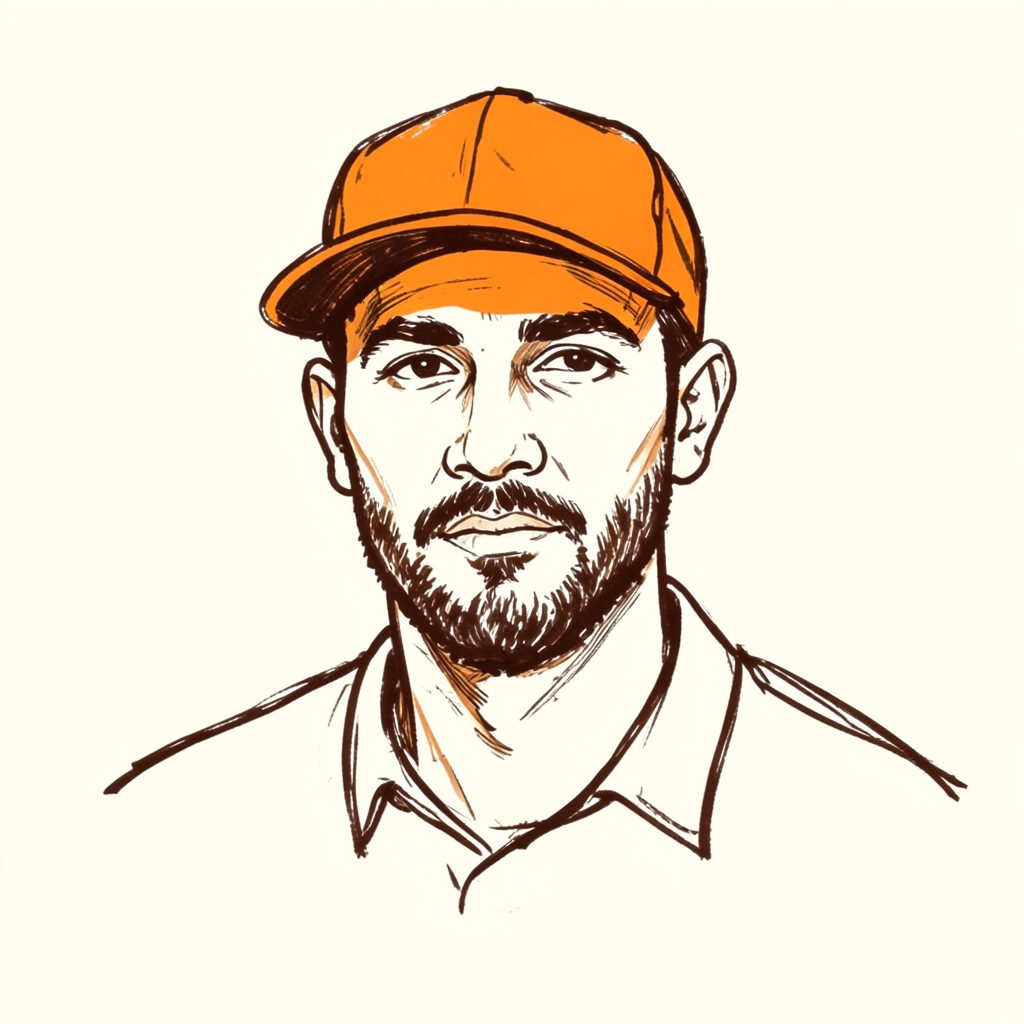
Chris Campanelli
Writer
Covers deer hunting strategy, the outdoors process, and the mindset behind the pursuit.
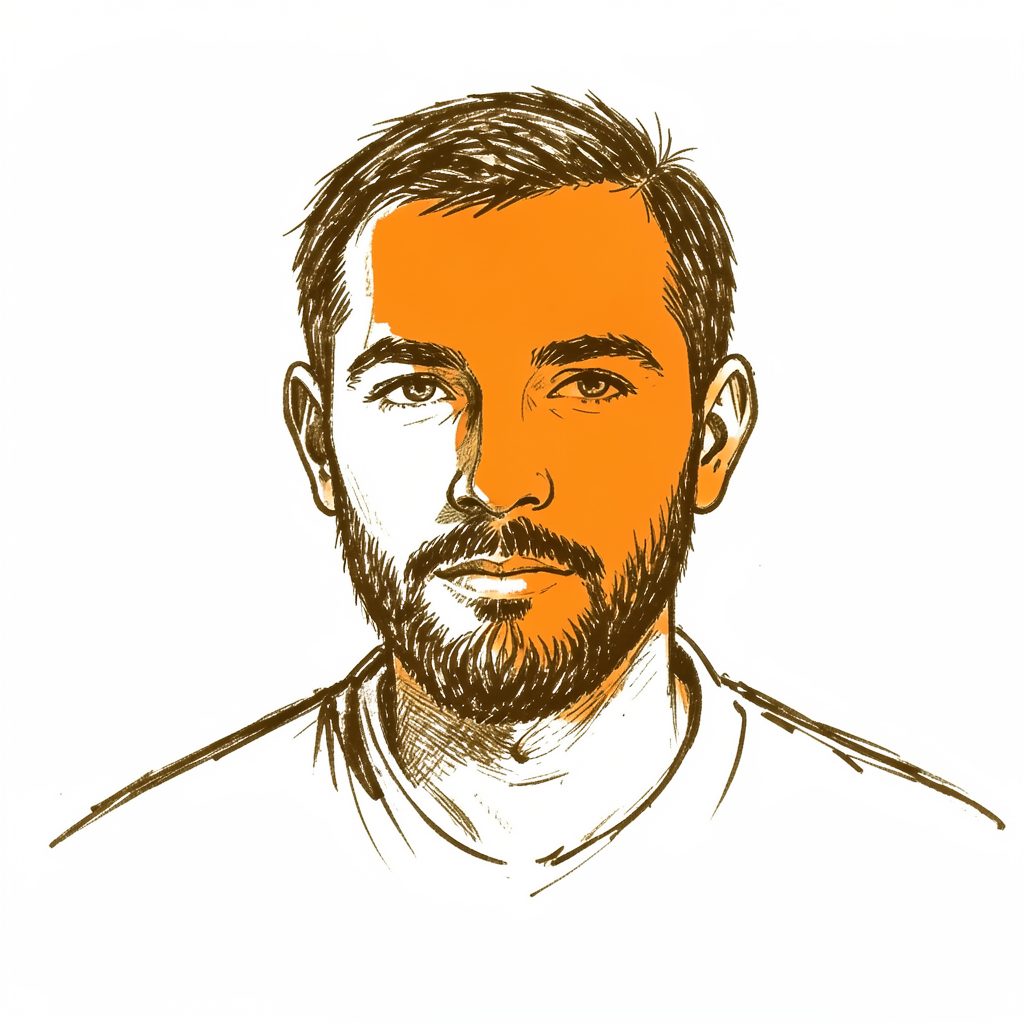
Cody Dalton
Angler & Filmmaker
Muskie fishing, bowfishing, and the short documentary "A Fisherman with a Dream."
AO Podcast Crew
Hosts
The voices behind 39 episodes of industry talk, hunting stories, and the "After the Pursuit" series.
AOTV
Video Team
Range reviews, Deer Season episodes, and bowfishing features — presented by Hidden Hybrid Holsters and Stark Arms.
Mass Pursuit TV
Media Partner
Content and media partnership bringing ATA Show coverage and product highlights to the AO audience.
Partner Brands
Sponsors
StandGuard Decoy, Buck Baits, Hunter's Blend Coffee, and more supporting the sportsmen's community.