
For Sportsmen, By Sportsmen — honest stories, real reviews, and the pursuit that ties it all together.
Recent Posts
Topics
Choosing The Right Shot For A Range Session
A successful range session begins before the first round is loaded. The right firearm, ammunition, target distance and shooting position should match the skill being trained. That approach makes practice safer, more measurable and more useful for hunting or competition.
Whether the search phrase appears as “A for a Shot for a Range a” or as a guide to choosing a shot for a range, the practical answer is the same: define the purpose of the session first. Sight-in work, trigger training, positional shooting and shotgun patterning each require a different setup.
Australian shooters also need to account for local range rules, firearm licensing conditions and ammunition availability. A rifle that suits a property hunt may be unsuitable for an urban club range, while a load that performs well in the bush may be restricted or expensive to use regularly.
The best range practice is deliberate rather than hurried. Ten carefully observed shots can reveal more than a hundred rounds fired without recording group size, point of impact or shooting conditions.
| Range Objective | Suitable Setup | What To Measure |
|---|---|---|
| Rimfire fundamentals | .22 rifle, supported and unsupported positions | Group size, trigger control, natural point of aim |
| Centrefire zeroing | Hunting rifle and chosen hunting load | Point of impact, consistency, cold-bore shot |
| Shotgun patterning | Field or target shotgun with selected choke | Pellet distribution and effective coverage |
| Handgun practice | Club-approved pistol and suitable target | Grip, sight alignment, shot cadence |
| Field positions | Rifle with sling, pack or shooting sticks | Stability, recovery and repeatability |
Match The Firearm To The Purpose
A .22 rimfire is an excellent training tool because it produces little recoil and keeps ammunition costs manageable. It allows a shooter to work on breathing, trigger press and follow-through without developing a flinch. At a range near Melbourne, Sydney or Brisbane, that can make regular practice more practical than relying on occasional centrefire sessions.
A hunting rifle should be tested with the ammunition intended for the field. Different bullet weights, brands and projectile designs can shift the point of impact, even when they carry the same nominal calibre. For a deer, feral pig or fox setup, record the exact load, rifle configuration and scope settings in a range notebook.
Shotguns require a different form of evaluation. A patterning board reveals where the pellets land in relation to the bead or rib, while clay-target practice exposes timing and gun mount. Patterning at several distances is especially useful before pursuing ducks or pest birds, subject to Australian laws, seasons and local restrictions.
Select Ammunition With Care
Ammunition should be chosen for consistency, suitability and legal compliance rather than appearance or price alone. Factory loads are convenient for most hunters, while handloaders must work within reliable data and safe procedures. Keep different loads clearly separated and avoid assuming that similar packaging means identical performance.
The Australian market can vary considerably between states and retailers. Popular .223 Remington, .308 Winchester and .22 LR ammunition may be easy to find in larger centres, but availability can change quickly in regional Queensland, Western Australia or the Northern Territory. Buying a modest supply of the same lot when a rifle shoots well can prevent unnecessary changes before a hunt.
Inspect cartridges before use and stop if a round shows damage, unusual resistance or an abnormal report. Hearing protection and eye protection are basic requirements, not optional accessories. Suppressors, magazine capacity and other equipment may also be regulated differently depending on the state or territory, so range rules and current firearms legislation must be checked.
Build A Stable Shooting Position
Stability starts at ground level. Set the feet naturally, keep the rifle or shotgun balanced and use support that does not force the stock into an awkward angle. A front rest and rear bag are useful for sight-in work, but field positions should eventually include kneeling, sitting, standing and supported shots.
A sling, shooting sticks or a pack can make practice more relevant to hunting conditions. In Australia, a hunter may move from open grazing country to timbered gullies or steep scrub within the same trip. Training only from a bench can hide problems that become obvious when the rifle must be mounted quickly from an uneven position.
The support should hold the firearm consistently without pressing against the barrel unless the rifle is designed for that contact. Repeat the same cheek weld and stock placement for every shot. Small changes in head position can create large aiming errors, particularly with magnified optics at longer distances.
Read The Group Instead Of Chasing Every Shot
A group provides information about both the rifle and the shooter. A tight group in the wrong place usually calls for a scope adjustment, while a scattered group may indicate inconsistent technique, ammunition, wind or equipment. Measure groups from the centre of the widest shots and record the distance used.
The first shot from a cold barrel deserves its own note. Many hunting rifles place the cold-bore shot slightly away from the later group, and that difference matters when a single opportunity may be available in the field. Allow the barrel to cool between groups rather than creating heat that would not reflect normal hunting conditions.
Wind flags, mirage and changing light can distort results. Even at an established SSAA range, conditions may differ between early morning and the middle of the day. Make small adjustments only after identifying a repeatable trend, rather than moving the scope after every individual shot.
Use Range Practice For Field Decisions
Range work should answer practical questions. Can the shooter place a reliable shot from a supported kneeling position? Does the chosen bullet produce acceptable accuracy? Is the optic still zeroed after transport? Can the shooter operate the safety, bolt or magazine without losing the target?
For ethical hunting, accuracy is only one part of readiness. Distance, angle, wind, background and animal movement all affect the decision to shoot. A precise bench group does not automatically justify a long shot in the bush, where branches, uneven ground and limited recovery options can change the situation.
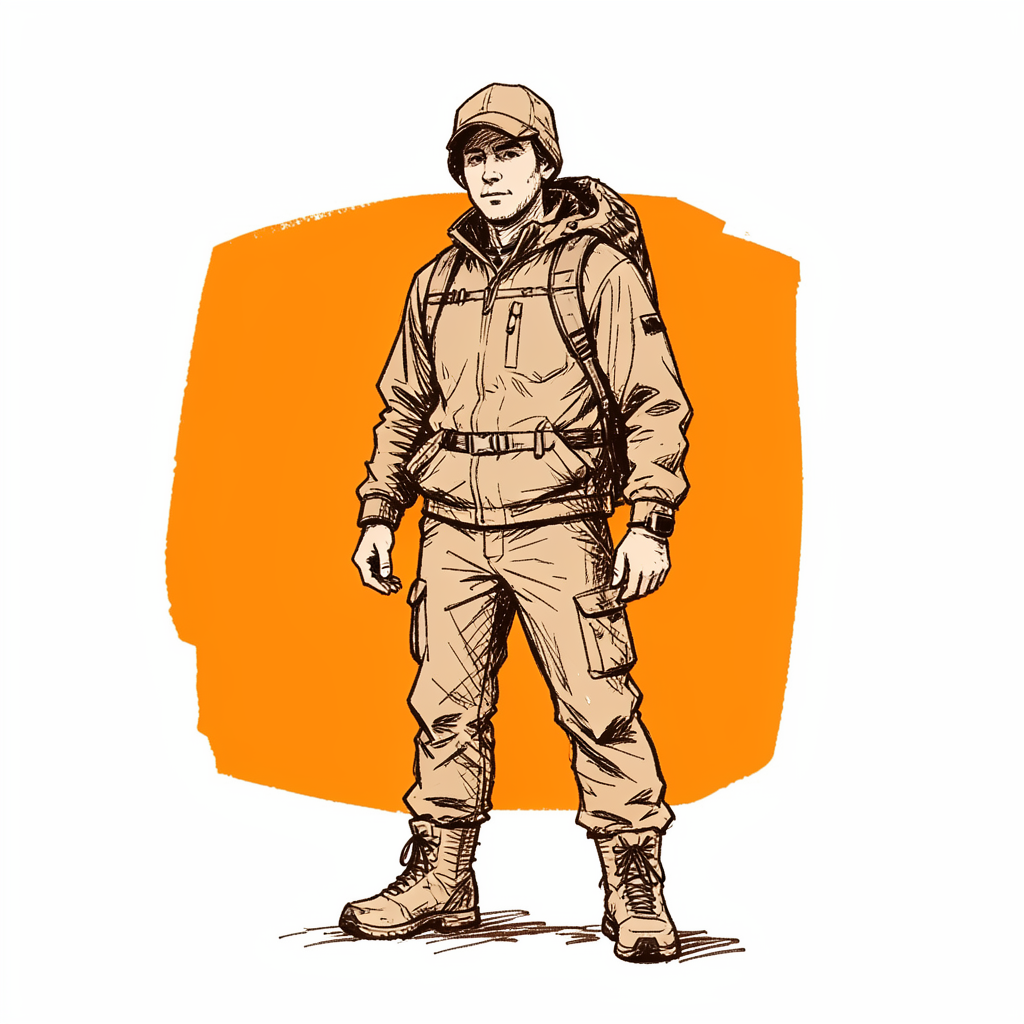
Hunters preparing for trips to places such as the Victorian High Country or the Cape York Peninsula should practise with realistic clothing and equipment. Heavy jackets, binocular harnesses and packs can change the way a rifle mounts. Training with the actual field setup gives more useful feedback than relying on a stripped-down range configuration.
Keep A Record Of Every Session
A simple log can include date, range, weather, rifle, ammunition, distance, group size and point of impact. Add notes about the cold-bore shot, scope adjustments and any feeding or extraction issues. This record turns scattered practice into a trackable process.
A reliable shooting publication such as field-tested guidance can complement personal notes, but the rifle’s own results remain the final authority. Online recommendations may involve different barrels, optics, temperatures or ammunition lots, so verify them with controlled testing.
Finish each session by checking the firearm is unloaded, storing ammunition separately where required and inspecting equipment for damage. The practical takeaway is simple: choose the firearm and load for the task, fire from repeatable positions, measure the results and carry only a verified zero into the field.
Contributors
Chris Campanelli
Writer
Covers deer hunting strategy, the outdoors process, and the mindset behind the pursuit.
Cody Dalton
Angler & Filmmaker
Muskie fishing, bowfishing, and the short documentary "A Fisherman with a Dream."
AO Podcast Crew
Hosts
The voices behind 39 episodes of industry talk, hunting stories, and the "After the Pursuit" series.
AOTV
Video Team
Range reviews, Deer Season episodes, and bowfishing features — presented by Hidden Hybrid Holsters and Stark Arms.

Mass Pursuit TV
Media Partner
Content and media partnership bringing ATA Show coverage and product highlights to the AO audience.
Partner Brands
Sponsors
StandGuard Decoy, Buck Baits, Hunter's Blend Coffee, and more supporting the sportsmen's community.